An Exclusive Interview with Helen Caldicott
It’s been 40 years since If You Love This Planet won the 1982 Academy Award for Best Documentary.
The film is comprised of a lecture given to students by outspoken nuclear critic Dr. Helen Caldicott, president of Physicians for Social Responsibility in the USA. Her message is clear: disarmament cannot be postponed. Archival footage of the bombing of Hiroshima and images of its survivors seven months after the attack heighten the urgency of her message.
Since it was released, the film has only grown more relevant and authoritative and, on its anniversary, Dr. Caldicott has given an exclusive interview on its context and continued relevance.
... read moreNuclear lobby manipulates ABC's 7.30

by Noel Wauchope, Independent Australia, 11 April 2024
ON 4 APRIL, on ABC’s 7.30, regional affairs reporter Jane Norman presented a sort of debate on nuclear power for Australia. An accompanying article was also published on 2 April as a debate about ‘a generational divide’.
The show was quite gripping, with excellent visual snippets of Australia’s history of nuclear issues and promotional visualisation of the industry’s proposed new small modular reactors (SMRs).
The essence of this debate seemed to be that old people are inclined to oppose nuclear power, but young people see it as a new and valuable way to reduce carbon emissions and counter... read more
If You Love This Planet - Screening & Webinar + JFK
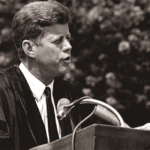
Guest Speaker: Helen Caldicott, World Renowned Peace Activist & Author
Moderated by Martin Sheen, Actor & Peace Activist
Sponsored by the JFK Peace Speech Committee and the Community Church of Boston
Monday February 19, 2024 7pm-8.30pm EST
Register for Zoom Link
The first hour of our Program, moderated by Martin Sheen, will feature an award-winning film in which Dr. Caldicott discusses the danger of nuclear weapons.
We will view the screening of President Kennedy’s American University address followed by remarks from Dr. Caldicott on the relevance JFK’s speech has for us today.
During the final half hour of our Program Dr. Caldicott will take questions from the audience.
Dr. Caldicott is an Australian pediatrician and a founder of Women’s Action for Nuclear Disarmament (WAND). She has appeared in numerous documentaries and... read more
When Nuclear War is No Longer Unthinkable: Honoring Two Television Events
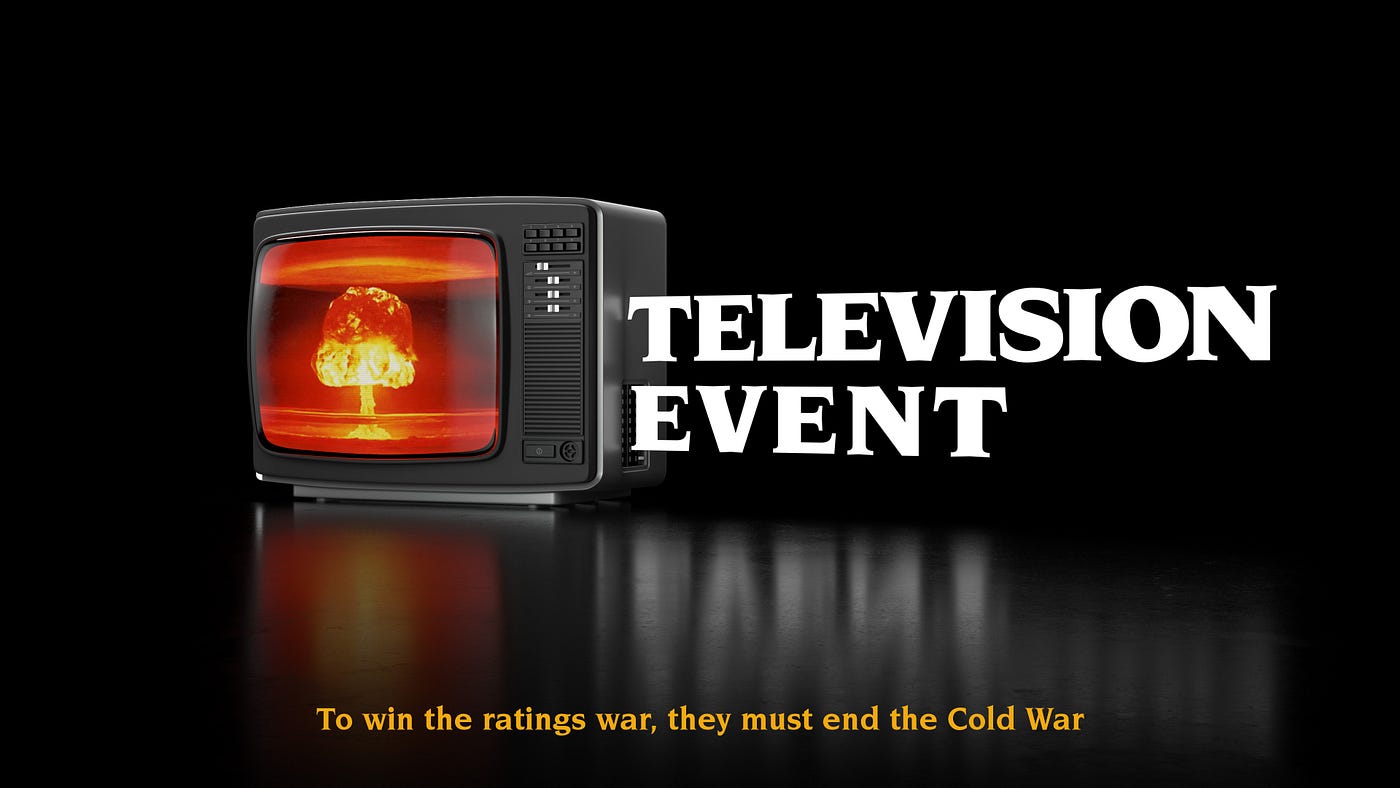
By Charlotte Dennett, CounterPunch, January 23, 2024
“There’s something about the sound of a mothers scream, you just never forget.” That was a comment from actress Ellen Moore when interviewed about her role in a recently released documentary about the 1982 movie The Day After, a spellbinder that had over a hundred million Americans glued to their TV sets, watching how a nuclear bomb devastated a rural community in Lawrence, Kansas.
For older news, click here.